Influence Profile
No genre data available
Genre information will appear here once available
Trending in Fode Baro’s World
Latest Album
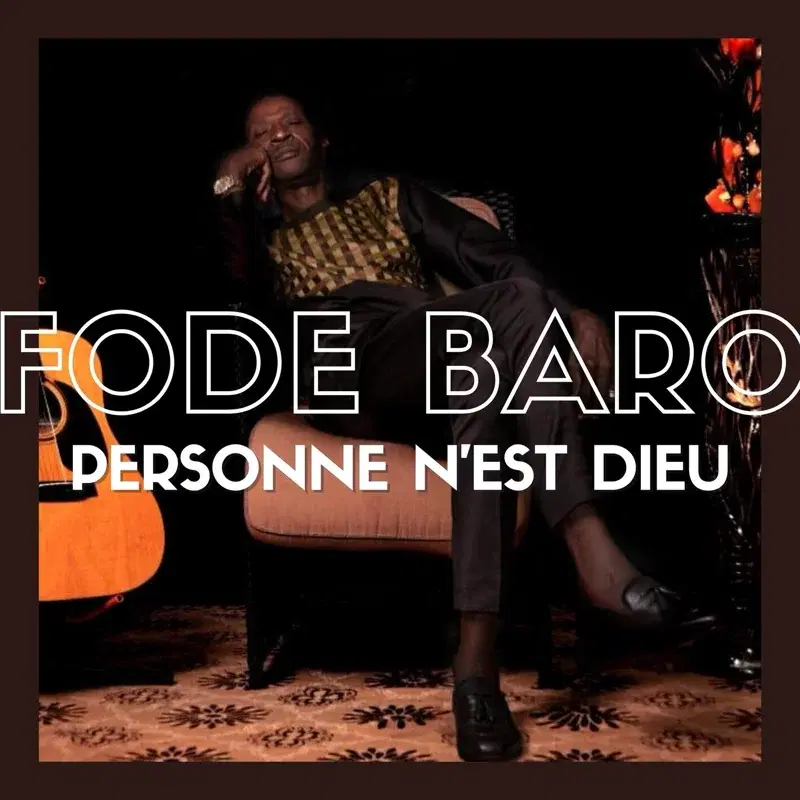
Personne n'est Dieu
Released Jul 9, 2021
Trending Globally
No trending songs available.
Story
Quick Facts
Born
1976
1976
From
Guinea
Guinea
Journey
Choosing music meant rejecting the future Fodé Baro's family had planned for him. Born on 24 May 1976 in Kissidougou, Guinea, he was raised in a respected Fulani-Manding family where performing was traditionally left to griots. His father, Ibrahim Kalil Baro, and his mother, Samantenin Touré, expected him to pursue a respectable profession, but his fascination with music led him in a different direction. As a child, he immersed himself in theatre, ballet, and school performances while teaching himself instruments including the n'goni, tam-tam, guitar, and bass. The stronger his passion became, the greater the opposition from his family.
Determined to continue, Baro left Guinea and spent time in Sierra Leone and Liberia. During those years, a French Catholic priest offered him shelter and introduced him to music theory and formal training. Although a practicing Muslim, he directed hymns and sang during Catholic Masses for several years, an experience that broadened both his musical education and his understanding of different cultural traditions.
After returning to Guinea, Baro met Miriam Makeba, whose daughter, Bongui Makeba, recruited him as a bassist for her orchestra. Touring Europe and recording with the group provided his first experience of professional performance. He later joined Les Messagers, led by Mory Findian, where he refined his skills alongside experienced Guinean musicians before relocating to Paris in 1990.
Life in France exposed him to Caribbean zouk, Congolese soukous, jazz, and modern studio production. Drawing on those influences while remaining rooted in Manding traditions, he developed the style he describes as afro-zouk-mandingue. His debut album, "Donsoke," introduced that approach, but it was "L'Aventurier" in 1998 and the hit "Yirikikiki" that established him across Guinea and much of Francophone Africa, earning him the Africa No. 1 Award in Gabon the following year.
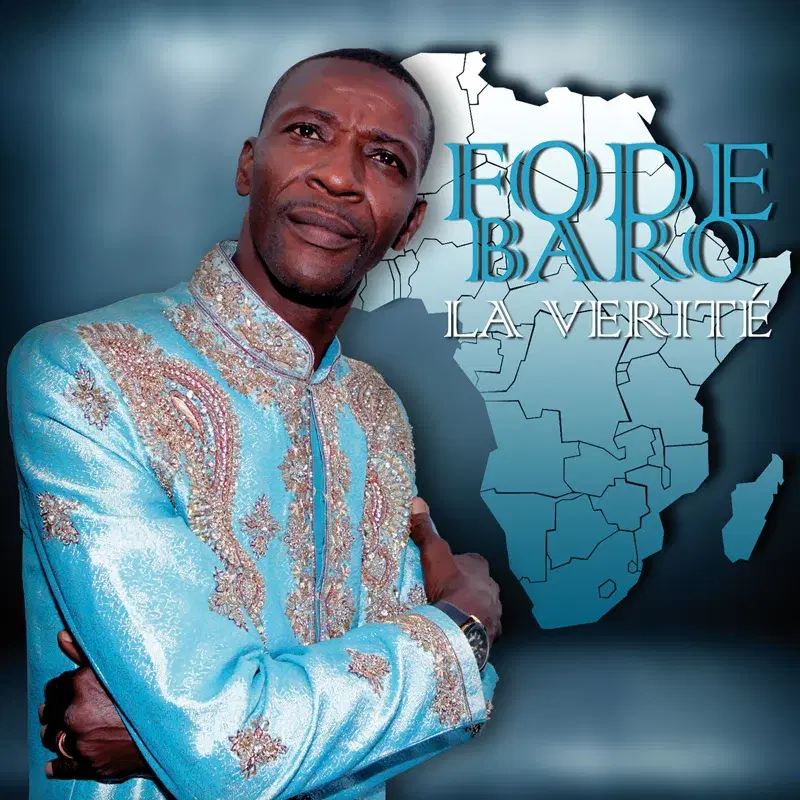
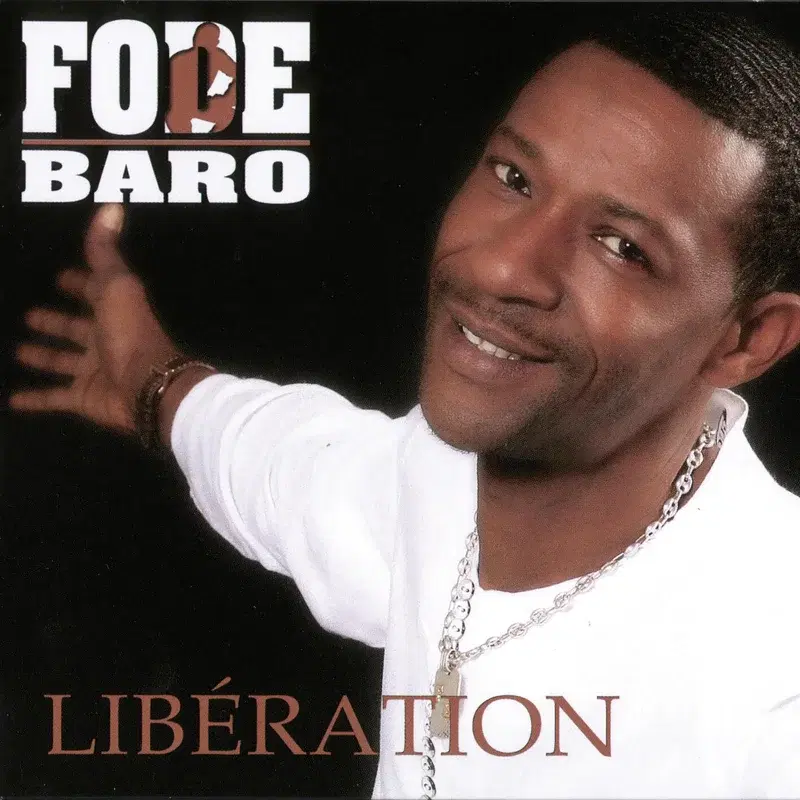
Subsequent albums, including "Débrouillons-nous," "Sangali," "Yanfanté," "Libération," "La Vérité," and "Personne n'est Dieu," expanded his catalogue with songs addressing corruption, migration, peace, humility, and national development alongside love, friendship, and reconciliation. His work demonstrated that dance music could remain entertaining while engaging with social issues.
Today, Fodé Baro stands among the defining figures of modern Guinean popular music. Through afro-zouk-mandingue, he connected Manding heritage with contemporary African dance music and helped carry Guinean music to audiences across Africa, Europe, and the wider diaspora.